


The Real Cost of Power: What to Expect for Generator Installation
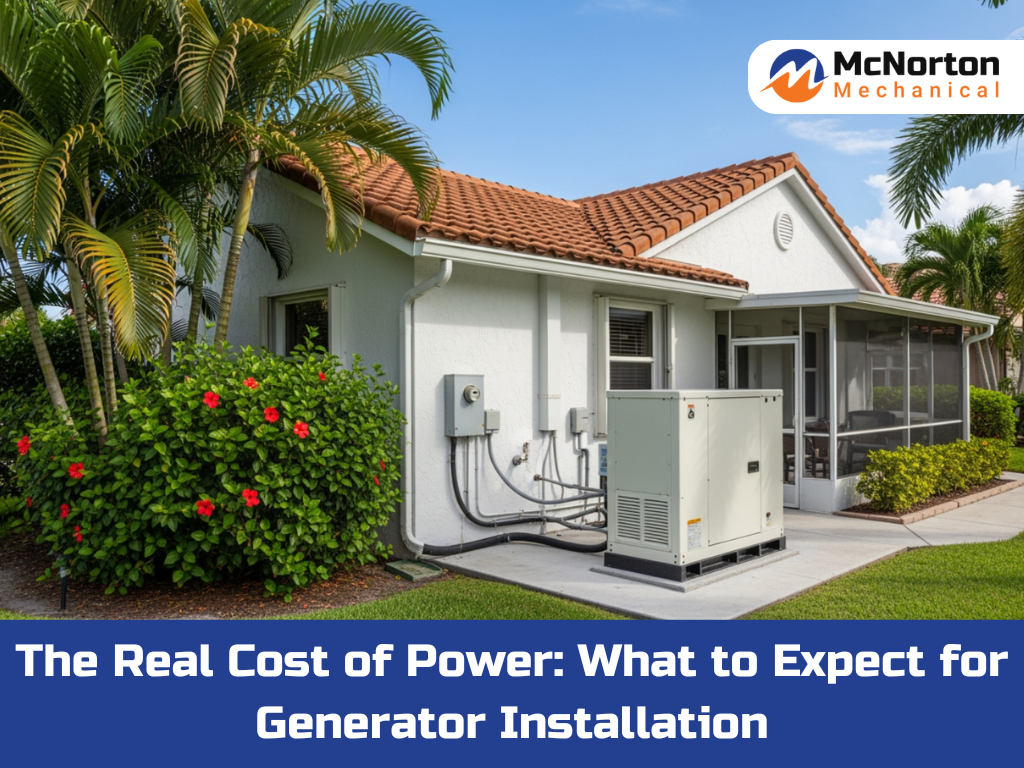
Why Understanding Generator Installation Costs Matters for Your Home
When you’re searching for the cost to install generator systems for your Pensacola home, you need clear answers fast. Here’s what you can expect to pay:
Average Generator Installation Costs:
- Portable Generators: $500 – $2,000 (unit only, plus $500 – $2,000 for transfer switch installation)
- Whole-House Standby Generators: $7,000 – $15,000 (fully installed)
- National Average Installation Cost: $5,170 (range: $1,538 – $8,831)
Main Cost Components:
- Generator unit: $2,500 – $8,000
- Automatic transfer switch: $500 – $2,000
- Professional installation labor: $1,500 – $5,000
- Permits and inspections: $200 – $500
- Additional materials (concrete pad, fuel lines, wiring): $300 – $1,000+
Power outages in Northwest Florida aren’t just inconvenient—they’re inevitable, especially during hurricane season. When Hurricane Ian struck in 2022, over 2.6 million Florida residents lost power, with some areas remaining dark for more than two weeks. For families who depend on air conditioning in Florida’s heat, medical equipment, or simply want to protect their homes and food supplies, a backup generator shifts from luxury to necessity.
But generator installation costs vary widely based on your home’s specific needs, your existing electrical system, and the type of generator you choose. Understanding these costs upfront helps you make the right investment for your family’s safety and comfort.
I’m Derrick Rushnell, and I’ve spent decades helping Gulf Coast homeowners prepare for power outages with reliable generator solutions through McNorton Mechanical. Having guided countless families through the cost to install generator systems that match their specific needs and budgets, I know exactly what factors drive your final price—and where you can make smart choices to maximize value without compromising safety.
Understanding the Average Cost to Install a Generator
When we talk about the cost to install generator systems, we’re looking at a broad spectrum. While the national average for a whole-house generator installation typically hovers around $5,170, with homeowners usually paying between $1,538 and $8,831, it’s not uncommon for a fully installed standby generator to fall into the $7,000 to $15,000 range. For some high-end or complex installations, this can even go up to $25,000. These figures include the generator unit itself, the necessary electrical and fuel connections, and all other associated costs.
The wide range in pricing reflects the many variables involved, from the generator’s power output to the specifics of your home’s electrical system and local installation requirements in places like Pensacola, Gulf Breeze, or Foley.
Standby vs. Portable Generators: A Cost Overview
One of the first decisions you’ll make that significantly impacts the cost to install generator is choosing between a portable and a standby unit.
- Portable Generators: These units are generally the most budget-friendly upfront. Portable generators typically cost between $500 and $2,000 for the unit itself. They run on gasoline, though some dual-fuel options can use propane. While they’re great for powering a few essential appliances or tools, they require manual operation. You have to roll them out, start them, and often refuel them every 8-12 hours. To safely connect a portable generator to your home’s electrical system and avoid dangerous backfeeding, you’ll still need a manual transfer switch, which costs an additional $500 to $2,000 to install.
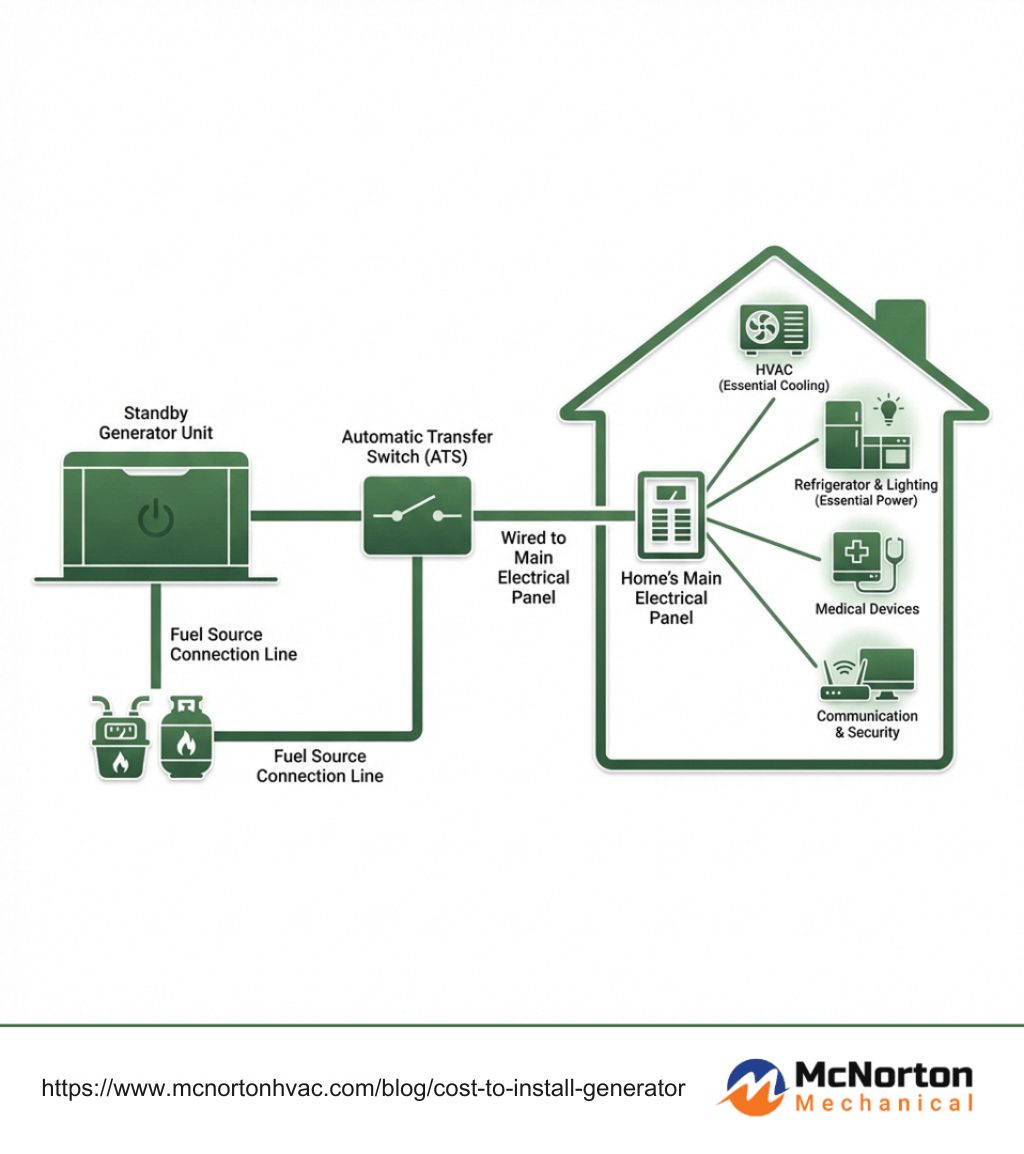
- Standby Generators (Whole-House): These are permanent installations, offering seamless, automatic power during an outage. Standby generators cost significantly more, ranging from $5,000 to $25,000 or more, fully installed. However, they provide unparalleled convenience and peace of mind. Connected directly to your home’s electrical panel and a natural gas or propane line, they detect power outages and turn on automatically, often within 10-15 seconds. This makes them ideal for whole-home power, including critical systems like air conditioning, which is essential in our Florida and Alabama climates. The higher cost to install generator of this type reflects the advanced technology, robust construction, and professional installation required.
How Home Size Impacts Generator Pricing
The size of your home and, more importantly, your power needs, directly correlate with the generator’s kilowatt (kW) rating and, consequently, its price.
- Smaller Homes (7kW to 10kW): For homes with one or two bedrooms and a few essential appliances, a smaller generator might suffice. These units are typically sufficient to power critical items like your refrigerator, lights, a few outlets, and perhaps a small HVAC unit. Installation costs for these smaller units generally range from $5,000 to $7,000.
- Medium to Larger Homes (15kW to 22kW or more): If you have a larger home, multiple refrigerators, heavy-duty HVAC systems, or simply want to power your entire home seamlessly during an outage, you’ll need a larger generator. Whole house generators typically range from 7 kW to 22 kW, but larger homes might need 20kW, 22kW, or even 45kW units. The cost to install generator for these larger units, which can power most or all of your home, typically runs from $8,000 to $12,500 or more.

The key is to match the generator’s capacity to your actual power requirements. An undersized generator won’t power everything you need, while an oversized one will cost more upfront and potentially consume more fuel than necessary.
Key Factors That Influence Your Total Installation Cost
Beyond the basic generator unit price, several crucial elements contribute to the overall cost to install generator for your home. We carefully consider each of these factors during our on-site assessments to provide you with an accurate and transparent quote.
Generator Size and Power Output (kW)
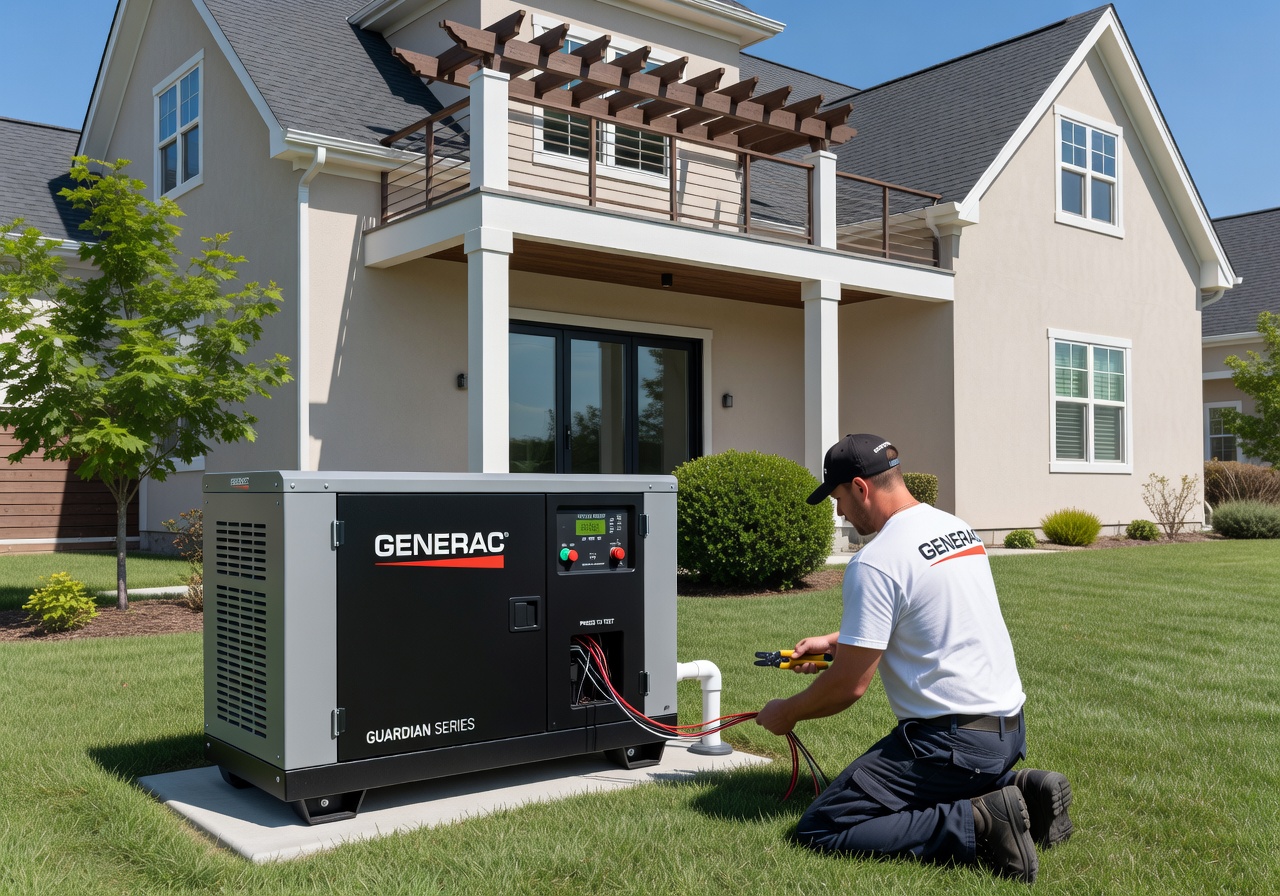
As we mentioned, the generator’s kilowatt (kW) rating is a primary cost driver. The higher the kW, the more power it can produce, and generally, the higher the unit cost. To determine the right size, we perform a detailed load calculation, assessing what you want to run during a power loss, whether it’s just essential appliances or your entire home.
It’s crucial to consider not just the running wattage but also the significantly higher startup (or surge) wattage for appliances like refrigerators and air conditioners. For example, a typical refrigerator might use 700 watts to run but need 2,800 watts to start up.
To select the right generator, you’ll need to assess your power needs. As Hydro Ottawa advises, you should consider what you want to run during a power loss, whether it’s essential appliances or your entire home. Over-sizing wastes money, while under-sizing leaves you in the dark. We help you find that sweet spot.
Fuel Type and Connection Requirements
The type of fuel your generator uses significantly impacts both installation and ongoing costs.
- Natural Gas Generators: These are a popular choice for homes with an existing natural gas line. They offer the convenience of an unlimited fuel supply (as long as the utility is active), eliminating the need for on-site fuel storage. Installation involves plumbing a connection to your home’s gas line. Natural gas generators typically cost between $2,000 and $21,000.
- Propane Generators: If natural gas isn’t available, propane is an excellent alternative. Propane generators cost similarly to natural gas units, ranging from $2,000 to $21,000 for standby units, and $600 to $2,600 for portable options. However, you’ll need to purchase or rent a propane storage tank. A 250-gallon tank can cost $500 to $1,500, while a 500-gallon tank might run $1,000 to $2,500. This adds to the initial cost to install generator. Propane has a long shelf life, making it a reliable option for extended outages.
- Diesel Generators: Known for their efficiency and longevity, diesel generators typically cost $3,000 to $20,000 for standby units. They require a dedicated fuel tank and can be a good option for larger homes or commercial applications.
- Gasoline Generators: These are primarily used for portable units, costing $500 to $3,000. While cost-effective upfront, gasoline has a shorter shelf life and requires frequent refueling, which can be challenging during prolonged outages in our service areas like Pensacola or Daphne.
Your Home’s Electrical System and Site Complexity
The existing infrastructure of your home plays a large role in the overall cost to install generator.
- Electrical Panel Upgrades: If your home’s electrical panel is old or doesn’t have enough capacity to handle the additional load of a whole-house generator, an upgrade will be necessary. This can add between $1,000 and $3,000 to your total cost. Our team of experts can assess your current Electrical Panel Services needs and recommend any required upgrades.
- Generator Placement: The location of your generator matters. It needs to be placed on a level surface, away from windows and doors, and meet local setback requirements. If the ideal spot is far from your electrical panel or fuel source, more extensive trenching for electrical and fuel lines will be needed, increasing labor and material costs.
- Concrete Pad Installation: For permanent standby generators, a concrete pad is essential to provide a stable, level base and protect the unit from moisture and ground shifting. These typically cost $50 to $75 per square foot, or around $1,000 for an 18-square-foot pad. In hurricane-prone areas like Pensacola, we often recommend elevating the generator on a concrete pad above flood levels for added protection.
A Detailed Breakdown of the Cost to Install a Generator
When we provide you with a quote, we break down the cost to install generator into transparent, itemized expenses. This ensures you understand exactly what you’re paying for, with no hidden fees.
The Generator Unit and Automatic Transfer Switch (ATS)
- Generator Unit Cost: The generator itself is often the largest single expense. Prices for standby units typically range from $2,500 to $8,000, but can go higher for larger kW models or premium brands. For example, a 13 kW unit might start around $4,000, while a 20 kW unit could be $5,500 or more.
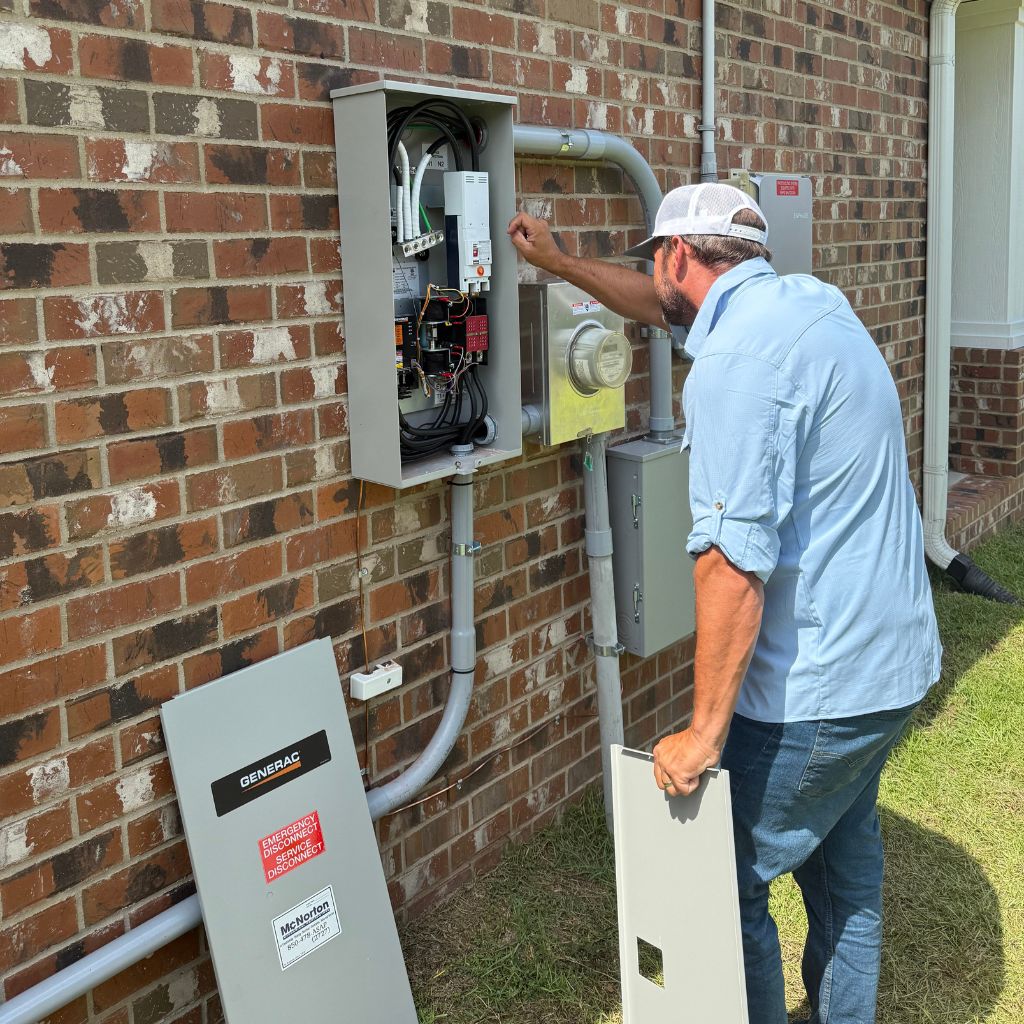
- Automatic Transfer Switch (ATS): This critical component is what makes a standby generator automatic. The ATS monitors your utility power and, when an outage occurs, seamlessly switches your home’s electrical load from the utility grid to your generator. Once utility power is restored, it switches back. The ATS ensures safe operation and prevents dangerous backfeeding into the utility lines, which is illegal and can injure utility workers. Residential ATS units typically range from $500 to $2,000, depending on their size and features. Our Wiring and Rewiring Services ensure your ATS is installed correctly and safely.
Labor, Materials, and Professional Installation
This category covers the skilled work and components required to integrate the generator into your home.
- Labor Costs: Hiring a licensed electrician and, if needed, a certified plumber, is non-negotiable for safe and compliant installation. Labor costs for installing a permanent home generator typically range from $1,500 to $5,000. Factors like the complexity of the installation, distance from electrical panels and fuel lines, and any necessary trenching will influence this cost. Our experienced team ensures precise and efficient work.
- Materials: This includes all the electrical wiring, conduit, gas piping, fittings, and other miscellaneous components needed for the installation. These “additional materials” can add $300 to $1,000 or more to the total cost to install generator.
- Installation Timeline: A typical whole-house generator installation takes 2 to 4 days from start to finish. This includes the initial assessment, obtaining permits, the physical installation of the unit and connections, and final testing.
Permits, Inspections, and Other Fees
Local regulations in Florida and Alabama require permits and inspections for generator installations to ensure safety and code compliance.
- Permit Costs: These fees vary by municipality but generally range from $200 to $500 per permit. Depending on your location (e.g., Escambia County, Baldwin County) and the type of installation, you may need electrical permits, gas permits, and sometimes even building permits.
- Inspections: After installation, a local inspector will verify that all work meets safety and building codes. This is a crucial step to ensure your generator operates safely and legally. Skipping permits and inspections can lead to fines and may void your homeowner’s insurance policy. We handle all the necessary paperwork and coordination for permits and inspections.
Beyond the Upfront Price: Long-Term Costs and Value
Investing in a whole-house generator is not just about the initial cost to install generator; it’s about the long-term peace of mind, protection, and value it adds to your home.
Ongoing Maintenance, Fuel, and Repair Costs
Like any mechanical system, generators require ongoing care.
- Annual Maintenance: We recommend professional maintenance once a year to ensure your generator is ready when you need it most. This typically costs $300 to $600 annually and includes oil changes, filter replacements, spark plug checks, and battery tests. With our 24/7 availability, we can always be there for routine service or emergency Electrical Repair needs.
- Fuel Consumption: The cost of fuel depends on the generator’s size, the load it’s carrying, and local fuel prices. While natural gas offers a continuous supply, propane users will need to factor in refueling costs.
- Generator Lifespan: With proper installation and regular maintenance, a quality standby generator can last 20 to 30 years, or roughly 3,000 hours of standby power. This makes it a durable, long-term investment.
Does a Whole-House Generator Add Value to Your Home?
Absolutely! A whole-house generator can significantly increase your home’s value, especially in areas like ours prone to frequent power outages during hurricane season.
- Increased Home Value: Potential buyers often view a generator as a valuable asset, providing security and ensuring continuous functionality of essential systems. It’s a highly desirable feature that sets your home apart.
- Peace of Mind & Security: Beyond monetary value, a generator offers invaluable peace of mind. It ensures your family stays comfortable and safe, your food doesn’t spoil, and critical medical equipment remains powered. For those who work from home, it means business continuity during disruptions.
- Asset Protection: A generator protects your home from potential damage, such as burst pipes in winter (though less common here), or mold growth if your AC goes out during a hot, humid Florida summer. It also keeps sump pumps running, preventing costly flooding.
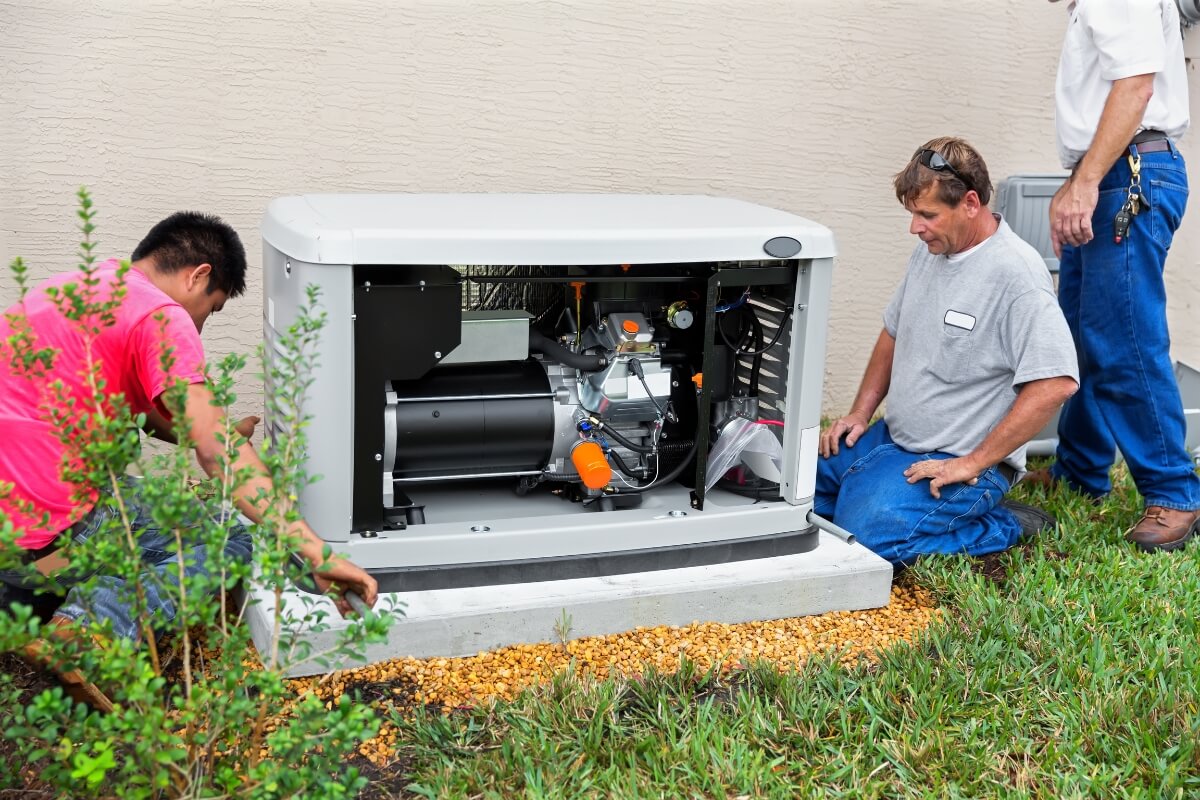
Professional vs. DIY Installation: A Cost and Safety Comparison
When considering the cost to install generator, some homeowners might be tempted by a DIY approach to save money. However, with generators, professional installation isn’t just a recommendation—it’s a critical safety and legal requirement.
- DIY Risks: Improper installation, especially connecting a generator directly to your home’s electrical panel without a transfer switch (known as backfeeding), is extremely dangerous. It can send electricity back into the utility grid, potentially electrocuting utility workers. It’s also illegal, voids your generator’s warranty, and can lead to serious insurance liabilities if a fire or other damage occurs.
- Professional Installation Benefits: Our licensed electricians and certified technicians ensure your generator is installed safely, legally, and according to all local codes in Florida and Alabama. This includes proper sizing, correct electrical and fuel line connections, and the installation of the necessary transfer switch. Professional installation guarantees optimal performance, validates your warranty, and protects your home and family. The cost to install generator professionally might seem higher initially, but it’s an investment in safety and compliance that prevents far more expensive and dangerous problems down the line.
How to Save on Your Whole-House Generator Installation
While a whole-house generator is a significant investment, there are smart ways to manage the cost to install generator without compromising quality or safety.
- Right-Sizing Your Generator: This is perhaps the most crucial step. Don’t pay for more power than you need. Our team will help you accurately assess your essential power requirements, ensuring you get a generator that meets your needs efficiently.
- Off-Season Installation Deals: Consider scheduling your installation during the off-season (typically late fall or winter, outside of hurricane season). Installers may offer better pricing or promotions during slower periods.
- Manufacturer Rebates and Incentives: Keep an eye out for rebates or special offers directly from generator manufacturers. Sometimes, local utilities or government programs might also offer incentives for energy-efficient home improvements or backup power solutions.
- Special Financing Options: We understand the upfront cost can be a barrier. McNorton HVAC offers special financing options to help make your generator purchase more affordable. Don’t hesitate to ask us about current offers.
- Bundling Services: If you’re considering other electrical or HVAC work, sometimes bundling services with a single provider can lead to overall savings on labor costs.
Frequently Asked Questions about Generator Installation Costs
What size generator do I need for my house?
To determine the right size, you must calculate the total wattage of the essential appliances and systems you want to power. This includes adding up both the running watts and the higher starting watts of items like refrigerators and air conditioners. A professional load calculation is the most accurate way to ensure you get a generator that meets your needs without overspending.
What is the difference in the cost to install a generator that is portable versus a whole-house unit?
A portable generator unit costs significantly less ($500 – $2,000) than a standby unit ($3,000 – $8,000+). However, to connect a portable generator safely to your home, you still need a manual transfer switch installed by an electrician, which can cost $500 to $2,000. A whole-house standby generator’s higher total cost ($7,000 – $15,000+) includes the unit, an automatic transfer switch, and more complex electrical and fuel line installation for seamless, automatic operation.
How long does a whole-house generator last?
With proper professional installation and regular annual maintenance, a quality whole-house standby generator can last 20 to 30 years, or approximately 3,000 hours of use. Its longevity makes it a durable, long-term investment in your home’s safety and comfort.
Secure Your Home with a Reliable Generator
Understanding the cost to install generator systems can feel overwhelming, but we hope this guide has shed some light on the various factors involved. From the unit’s power output and fuel type to your home’s electrical system and local permit requirements, every detail contributes to the final price.
The investment in a whole-house generator is an investment in your family’s safety, comfort, and peace of mind, especially during the unpredictable weather events we experience in Florida and Alabama. With McNorton HVAC, you benefit from our 65+ years of experience, licensed 24/7 availability, and guaranteed comfort and safety. We’re here to provide transparent pricing and expert installation, ensuring your backup power solution is reliable for decades to come.
For a professional assessment and a precise quote for your home in the Pensacola area, explore our Generators services.
Latest Articles
Don’t Sweat It: Why McNorton is Top-Rated Emergency HVAC Services in Pensacola
Shocking Truth: The Real Cost to Replace Your Electrical Panel