

Electrical Panel Maintenance: Ensuring Safety and Longevity
Why Breaker Panel Maintenance Matters for Florida Homeowners
Breaker panel maintenance is essential for keeping your home safe from electrical fires, power outages, and equipment damage. Regular upkeep ensures your electrical system functions reliably, protecting your family and home.
Quick Answer: Essential Breaker Panel Maintenance Tasks
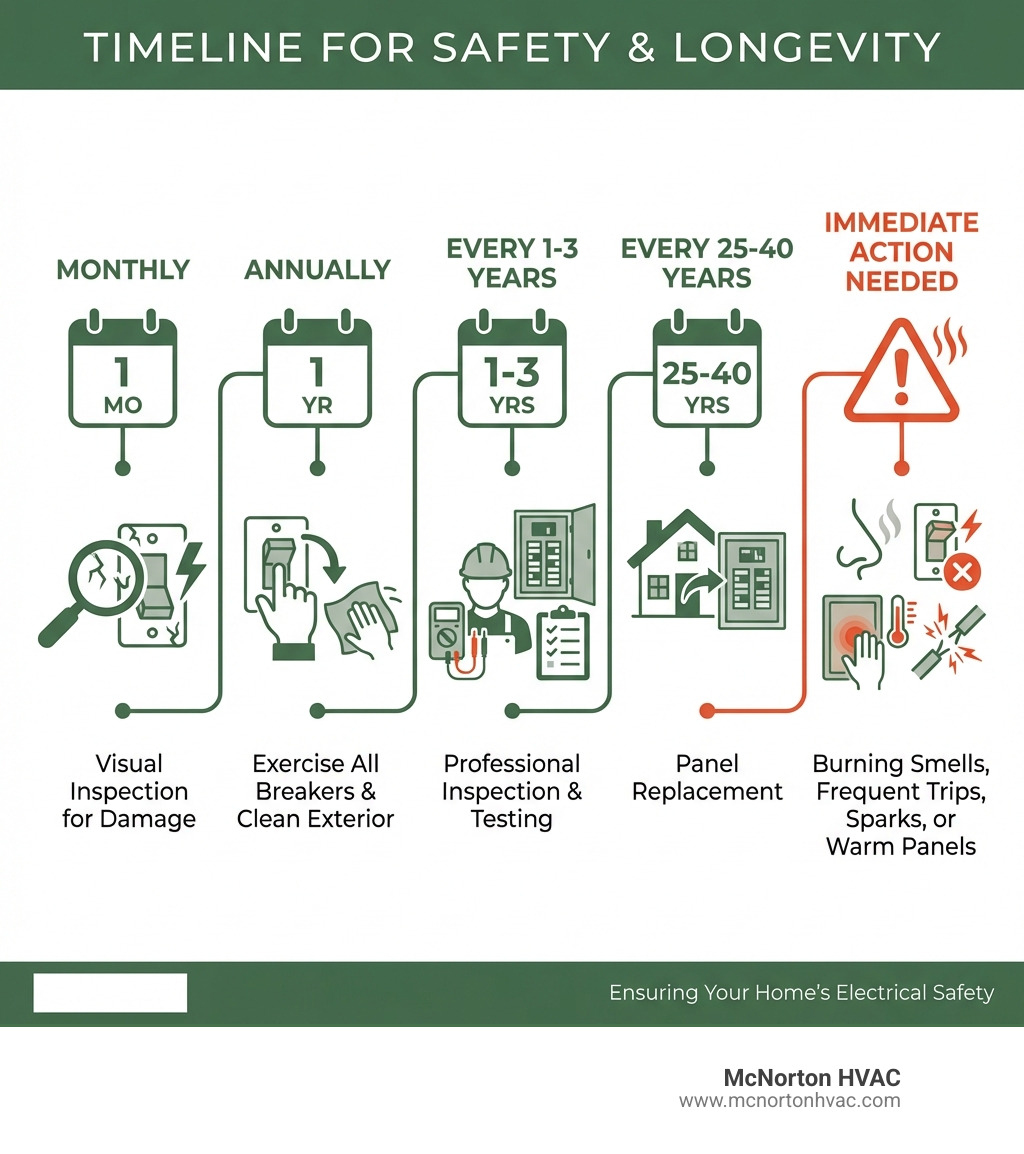
- Visual Inspection: Check for rust, corrosion, burn marks, or damage every few months
- Exercise Breakers: Flip each breaker off and on at least once per year
- Keep Clear Space: Maintain at least three feet of clearance around the panel
- Professional Inspection: Schedule a licensed electrician to inspect your panel every 1-3 years
- Clean Exterior: Wipe the panel door with a dry cloth to remove dust
- Label Circuits: Ensure all breakers are clearly labeled for safety
- Replace When Needed: Panels older than 25-40 years typically need replacement
Your electrical panel is the heart of your home’s electrical system, distributing power to every room while protecting against overloads and short circuits. A failure can have severe consequences.
An estimated 40,000 house fires are caused by electrical problems annually in the United States. Proper panel maintenance can prevent many of these tragedies. A well-maintained panel prevents fires, protects from electrocution, and ensures reliable power—critical during Florida’s demanding climate for your air conditioning and other essential systems.
Most electrical panels last 25 to 40 years. However, waiting for a failure isn’t an option when safety is at stake. Regular maintenance catches issues like loose connections or overloaded circuits early.
Some maintenance tasks are safe for homeowners, while others require a licensed electrician. Knowing the difference is key to protecting your safety and investment.
I’m Derrick Rushnell, and I’ve spent years helping Pensacola homeowners maintain safe electrical systems. Throughout my career, breaker panel maintenance has been a cornerstone of protecting homes from electrical hazards.
Understanding Your Home’s Electrical Heart
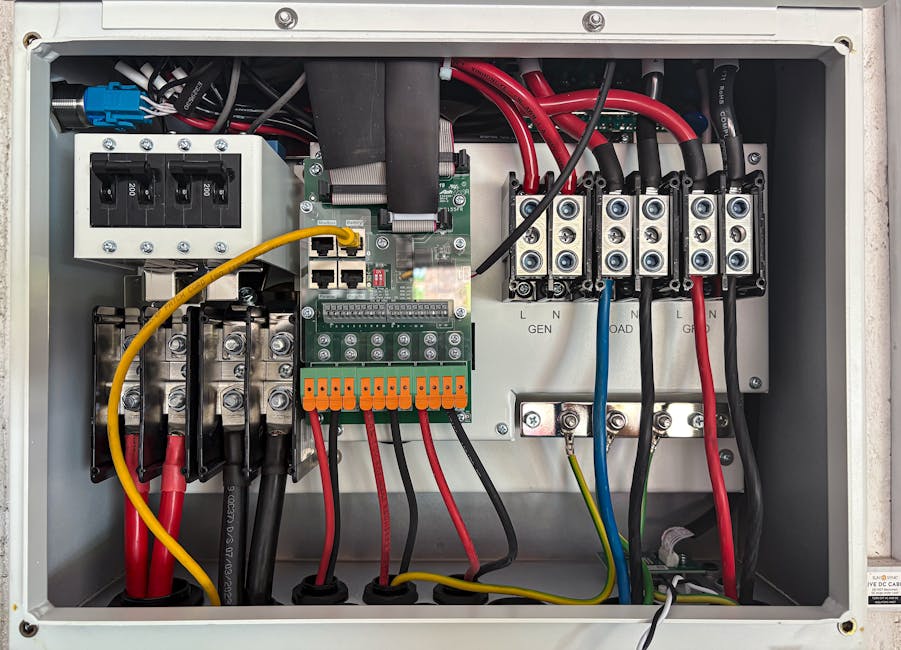
Your electrical panel is the distribution point for your home’s power, typically located in a garage, basement, or utility closet. It takes electricity from the utility company and safely channels it to every light, appliance, and outlet.
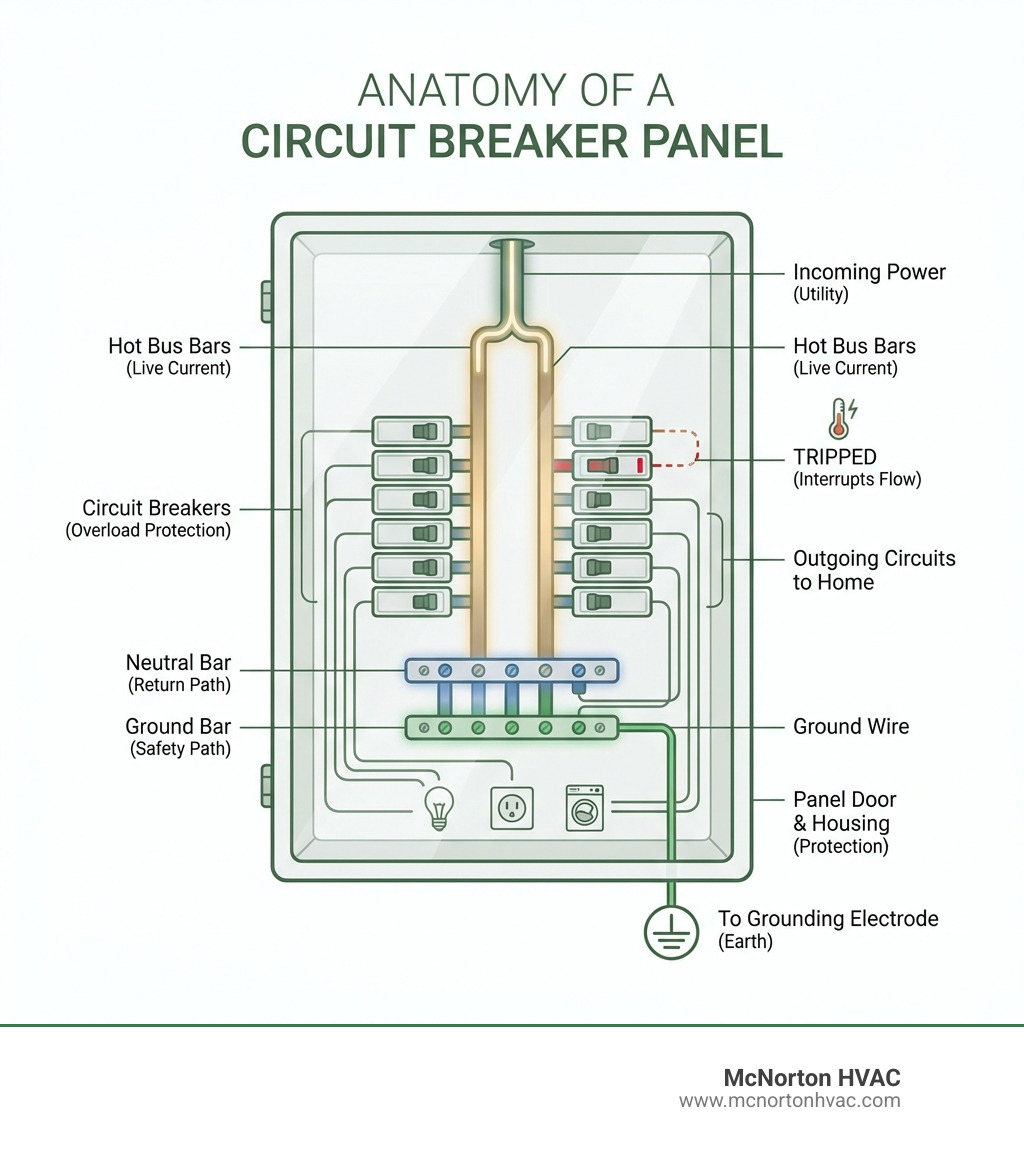
Key components work together for safety and efficiency:
- Circuit Breakers: These switches automatically interrupt power flow during an overload or short circuit, preventing wires from overheating and causing fires.
- Hot Bus Bars: These carry the incoming live current to the breakers.
- Neutral & Ground Bars: These terminate the neutral and ground wires from your home’s circuits. The ground wire provides a safe path for electricity during a fault, preventing electrocution.
When a circuit draws too much power, the breaker “trips,” interrupting the flow to keep your home safe. At McNorton HVAC, we ensure your panel is in top shape to protect against fires and electrocutions.
Circuit Breaker Panels vs. Fuse Boxes
When discussing electrical panels, it’s important to understand the difference between modern circuit breaker panels and older fuse boxes. While both serve the purpose of protecting your home’s electrical system, they do so in fundamentally different ways, with significant implications for safety and convenience.
| Feature | Circuit Breaker Panel | Fuse Box |
|---|---|---|
| Protection | Circuit breakers trip (switch off) when overloaded. | Fuses burn out when overloaded. |
| Reset/Replace | Simply reset the breaker by flipping a switch. | Requires replacing a blown fuse with a new one. |
| Safety | Designed to protect against fires by tripping quickly. | Older designs may not trip when overloaded, increasing fire risk. |
| Convenience | Easy to restore power; no need to stock spare parts. | Requires stocking various fuse types; inconvenient to replace. |
| Modernity | Standard in modern homes; handles higher electrical loads. | Common in older homes; may struggle with modern electrical demands. |
| Insurance | Generally preferred by insurance companies. | May lead to higher premiums or refusal of coverage due to fire risk. |
Circuit breakers offer a significant safety and convenience advantage over older fuse boxes. When a breaker trips from an overload, you simply reset it by flipping a switch. Fuses, however, burn out and must be replaced.
Older fuse boxes may not trip reliably when overloaded, increasing fire risk. That’s why upgrading to a modern panel is highly recommended for safety. If your home in Pensacola, Gulf Breeze, or a surrounding area has a fuse box, we strongly advise an upgrade.
Common Panel Types and Sizes
Electrical panels are sized by amperage to meet a home’s electrical demand. This is crucial in our region where air conditioning is a major load.
- 100-Amp Panels: Common in older homes, but often inadequate for modern needs. It’s wise to assess if your 100-amp panel can meet your home’s electricity demand.
- 150-Amp Panels: Suitable for homes running multiple appliances simultaneously.
- 200-Amp Panels: The standard for most modern homes (around 2,000 sq. ft.) with central air and high-demand appliances.
- 400-Amp Panels: Needed for large homes with high-energy needs, workshops, or EV chargers.
Most homes use single-phase panels. Three-phase panels are for commercial or industrial use.
An undersized panel can cause frequent trips, flickering lights, or buzzing sounds. Our electricians can assess your needs in Pensacola, Milton, or Daphne and recommend the right panel size for safety and performance.
Warning Signs: When Your Panel Needs Attention
Ignoring your electrical panel’s warning signs can lead to serious problems. Regular breaker panel maintenance includes recognizing when it needs professional attention. Neglected panels are a source of many of the 40,000 house fires caused by electrical problems per year in the USA.
Here are key indicators that your panel needs help:
- Flickering or Dimming Lights: Especially when an appliance starts, this can signal an overloaded circuit or loose wiring.
- Frequently Tripping Breakers: Constant tripping points to an overloaded circuit, short circuit, or a failing breaker. Don’t just reset it; investigate the cause.
- Burning Smells: A burning odor from your panel indicates overheated wires or components and is an immediate fire hazard.
- Buzzing or Humming Sounds: Loud buzzing often points to loose connections, a faulty breaker, or an overloaded panel.
- Warm Panel or Outlets: A panel, switch, or outlet that’s warm to the touch is a serious warning sign of loose connections and heat buildup.
- Sparks from Outlets: Sparks when plugging in an appliance can indicate a short circuit or faulty wiring.
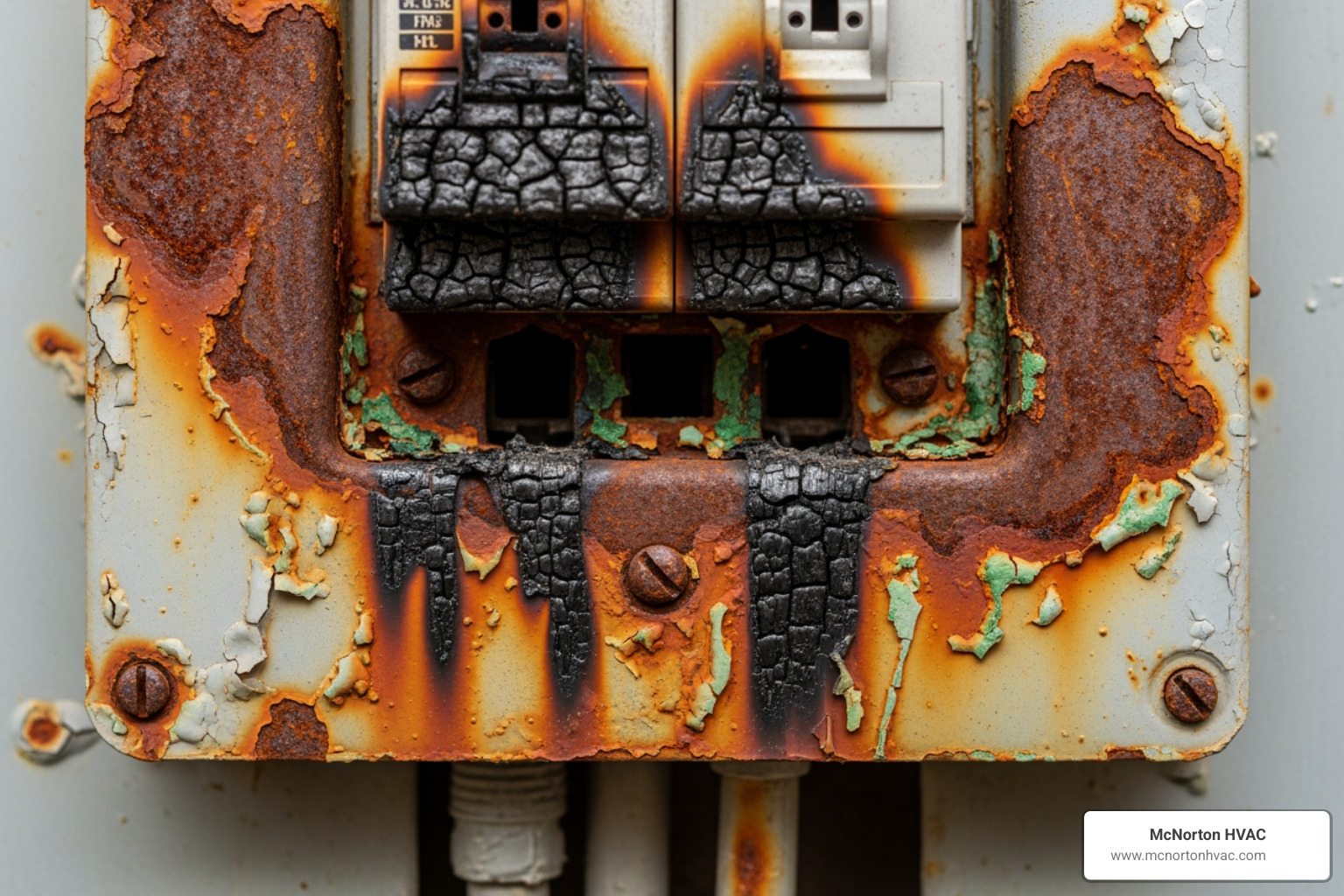
- Physical Damage, Rust, or Corrosion: Visible rust, corrosion, or burn marks suggest internal components may also be compromised, a common issue in Florida’s humid climate.
- Outdated Panel: A fuse box or a panel over 25 years old is likely outdated and may not safely handle modern electrical loads.
If you notice these signs in your Pensacola, Cantonment, or Daphne home, call a professional electrician immediately. Ignoring them risks costly repairs and jeopardizes your family’s safety. Our team is ready to provide expert Electrical Repair services.
A Step-by-Step Guide to Breaker Panel Maintenance
Understanding what you can safely do yourself versus when to call a professional is key to effective breaker panel maintenance.
Safety First
Before any maintenance, prioritize safety. Electricity is unforgiving.
- Turn Off Main Power: For any task involving opening the panel, always turn off the main breaker to de-energize the board. This is a job best left to professionals.
- Use PPE: Always wear Personal Protective Equipment (PPE) like insulated gloves and safety goggles.
- Use Insulated Tools: Only professionals should touch internal components, and they must use insulated tools.
- Maintain Clear Space: Keep at least three feet of clear, unobstructed space around your panel for access and ventilation. Do not block it with storage or furniture.
Safe DIY Breaker Panel Maintenance Tasks
Homeowners can perform several safe tasks to keep their system in good condition:
- Visual Inspection: Regularly check the panel’s exterior for rust, moisture, or burn marks, which are common in Florida’s climate. Ensure the door closes securely.
- Labeling Circuits: Check that all breakers are clearly and accurately labeled. This is vital for emergencies and troubleshooting.
- Exercising Breakers: To prevent stiffness, exercise your breakers annually by carefully flipping each one off and then on again. This ensures they will trip when needed. You can learn more about Maintaining the Circuit Breaker During Operation. If a breaker feels stiff, call a professional.
- Cleaning the Panel Exterior: Use a dry cloth to keep the panel exterior free of dust and debris.
Never remove the panel cover or touch internal wiring. These tasks are for qualified electricians only.
When to Call a Professional Electrician
Many aspects of breaker panel maintenance require a licensed electrician’s expertise. Call a professional for:
- Internal Inspections and Repairs: Tasks like tightening connections or checking for corrosion inside the panel must be done by a pro to prevent fire hazards.
- Adding Circuits or Upgrades: An electrician can determine if your panel can handle new circuits for appliances or renovations, or if an upgrade is needed.
- Periodic Professional Inspections: Schedule a thorough inspection every one to three years. Older homes or those with frequent issues may need more frequent checks.
- After Electrical Incidents: Have your panel inspected after a power surge or lightning strike to check for hidden damage.
- Persistent Warning Signs: If you experience frequent tripping, burning smells, or flickering lights, call us. These signs indicate deeper issues requiring expert repair.
Our experienced team at McNorton HVAC handles all panel needs in Pensacola and the surrounding areas, following strict safety guidelines like the Recommended Guidelines on Repair or Rebuild and Maintenance of Circuit Breakers.
Upgrading and Replacing Your Electrical Panel
Even with good breaker panel maintenance, replacement becomes necessary over time. Panels typically last 25 to 40 years, but factors like usage and environment can shorten this. For safety, it’s best to upgrade proactively rather than wait for failure.
Key signs you need a panel replacement or upgrade:
- Age: The panel is over 25 years old and may lack modern safety features.
- New Major Appliances: You’re adding an EV charger, central AC, or hot tub that exceeds your panel’s capacity.
- Home Renovations: Major renovations often require more power and an upgraded panel to meet code. We can help with Wiring and Rewiring Services.
- Insufficient Capacity: Frequent breaker trips indicate your panel is undersized.
- Obsolete or Unsafe Brands: Panels from brands like Federal Pacific Electric (FPE) or Zinsco are known hazards and require immediate replacement.
- Persistent Warning Signs: Flickering lights, burning smells, or warm components suggest a replacement is needed.
The benefits of upgrading are significant:
- Increased Safety: Modern panels reduce fire and electrocution risks and meet current codes.
- Higher Capacity: A new panel handles modern electrical loads, preventing overloads.
- Improved Home Value: An updated electrical system is a key selling point.
- Peace of Mind: Enjoy the confidence that your home’s electrical system is safe and reliable.
Our team at McNorton HVAC specializes in panel upgrades and replacements, ensuring your home has a safe, future-ready electrical system.
Long-Term Care for Optimal Panel Lifespan
Proactive, long-term care can optimize your electrical panel’s lifespan and ensure continued safety.
Control Environmental Factors: Your panel is susceptible to its surroundings, especially in coastal regions.
- Moisture Protection: Keep the panel in a dry location, shielded from humidity and potential flooding. A securely closed door prevents moisture from causing rust and corrosion.
- Temperature Control: Ensure proper ventilation around the panel and avoid placing heat-generating appliances nearby, as extreme heat accelerates wear.
- Pest Prevention: Keep the area clean and sealed to prevent pests from chewing wires or building nests inside the panel, which creates a fire hazard.
Install a Whole-Home Surge Protector: A surge protector installed at your panel is a wise investment that safeguards your entire electrical system from power surges caused by lightning or utility issues, a common problem in Florida.
Schedule Regular Professional Inspections: Professional inspections every one to three years are vital. An electrician can check for internal issues like loose connections or overheating that a homeowner cannot safely see.
Keep Records: Maintain documentation of all breaker panel maintenance, inspections, and repairs. This record is invaluable for future service, warranties, and tracking the panel’s condition.
By taking these steps, you’re not just performing maintenance; you’re actively optimizing the lifespan of your electrical panel, ensuring it continues to be the reliable heart of your home’s electrical system for years to come.
Frequently Asked Questions about Breaker Panel Maintenance
Here are answers to common questions we hear from homeowners in Pensacola, Milton, and Daphne.
How often should an electrical panel be professionally inspected?
We recommend a professional inspection every three to five years for most homes. However, you may need more frequent inspections (every 1-3 years) if:
- Your home or panel is over 25 years old.
- You experience frequent electrical issues like tripping breakers or flickering lights.
- Your home is in a harsh environment, such as a coastal area with high humidity.
- You’ve recently added major appliances or completed a renovation.
A professional can recommend the ideal schedule for your home.
What is the average lifespan of an electrical panel?
An electrical panel typically lasts 25 to 40 years. This lifespan can be affected by installation quality, maintenance history, electrical load, and environmental conditions like moisture. Signs of wear like rust, frequent tripping, or burning smells indicate it may be time for a replacement, even if it hasn’t reached the 25-year mark. Proactive replacement is always safer than waiting for failure.
Can I add more circuits to my current panel?
Whether you can add circuits depends on your panel’s capacity (amperage) and available physical slots for new breakers.
- Capacity and Slots: If your panel is full or already undersized for your home’s needs, you cannot safely add more circuits without an upgrade.
- Tandem Breakers: An electrician may be able to install tandem breakers (two circuits in one slot) if your panel is designed for them, but this does not increase the panel’s total amperage capacity.
- Sub-Panels: If you need several new circuits for an addition or workshop, a sub-panel can be installed. It draws power from the main panel to a new, smaller distribution point.
A professional electrician must assess your panel to determine the safest solution. Our McNorton HVAC team can perform a load calculation to find the best option for your home in our service areas.
Secure Your Home’s Power and Safety
Your electrical panel is more than just a metal box; it’s the guardian of your home’s electrical safety and reliability. From preventing devastating fires to ensuring your comfort during a hot Florida summer, proper breaker panel maintenance is an investment in your peace of mind.
We’ve explored the importance of understanding your panel, recognizing warning signs, and knowing the difference between safe DIY tasks and when to call a professional. While you can perform basic visual checks and exercise your breakers, complex tasks, internal inspections, and upgrades should always be handled by licensed and experienced electricians.
For over 65 years, McNorton HVAC has been dedicated to guaranteeing the comfort and safety of homes and businesses in Pensacola, Gulf Shores, Fairhope, and throughout Northwest Florida and Alabama. Our licensed electricians are available 24/7 to provide fast, reliable electrical services, from comprehensive inspections to expert upgrades. We pride ourselves on our experience and commitment to your safety.
Don’t wait for a flickering light to become a fire hazard. For comprehensive inspections and professional care, explore our Electrical Panel Services or contact us today. Let us help you ensure your home’s power system is safe, efficient, and ready for anything.
Latest Articles
Why Upgrading to a Smart Thermostat Matters for Florida Homeowners
Beat the Heat (and the Waitlist): Why Smart Homeowners Book this Spring