

Commercial AC Repair: What to Look for in a Service Provider
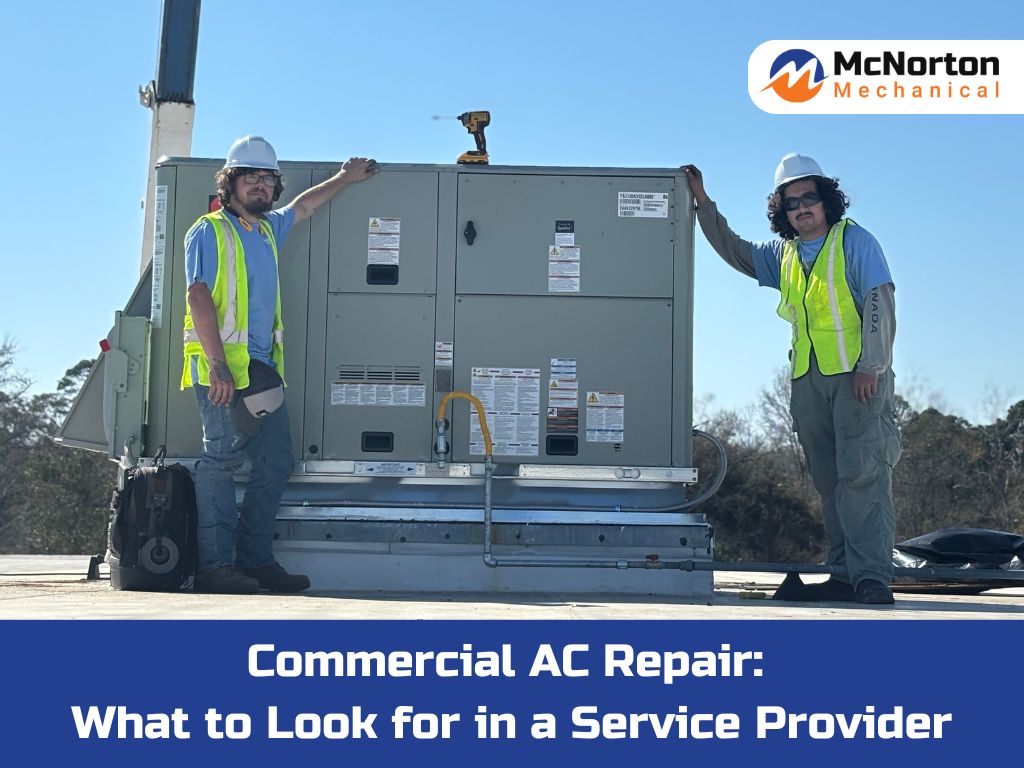
Why Choosing the Right Commercial AC Repair Provider Matters
When your business needs air conditioner commercial repair, you can’t afford downtime. A failing AC system impacts productivity, customer comfort, and your bottom line. Commercial HVAC systems are more complex than residential units, requiring specialized expertise for rooftop units, multi-zone configurations, and larger equipment.
Key Qualities of a Reliable Commercial AC Repair Provider:
- 24/7 emergency availability
- NATE certification and proper licensing
- Experience with commercial equipment
- Transparent pricing
- Strong local reputation
- Preventative maintenance plans
Choosing the right provider ensures a fast response and expert solutions to protect your inventory, employees, and customers. At McNorton HVAC, we’ve helped businesses along Florida’s Gulf Coast maintain reliable climate control for years. We understand your commercial HVAC system is critical infrastructure.
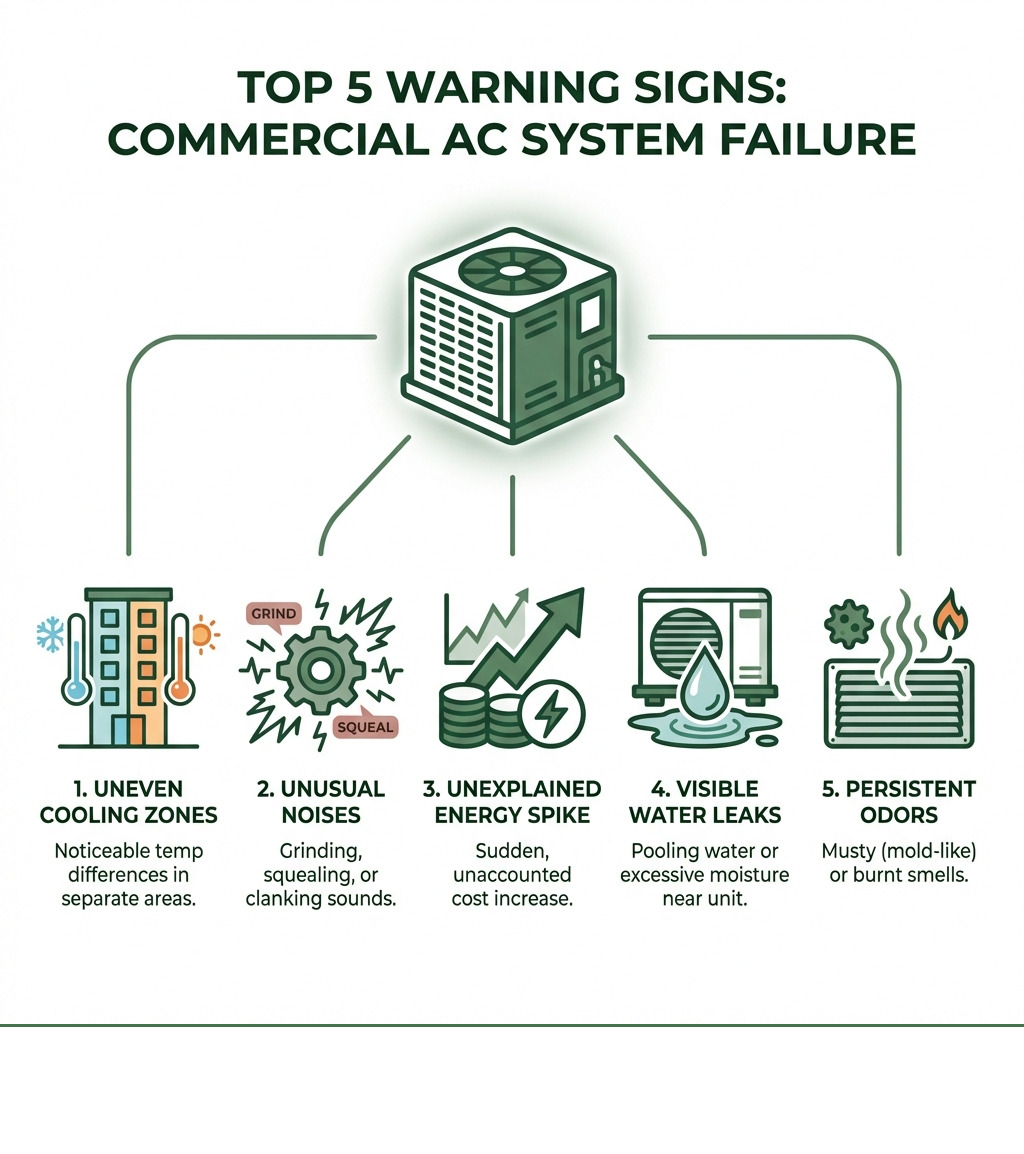
Telltale Signs Your Commercial HVAC System Needs Attention
Commercial HVAC systems rarely fail without warning. Spotting these signs early can save you from costly downtime and the need for emergency air conditioner commercial repair.
Common Commercial AC Problems
Be aware of these common issues that signal a need for professional repair:
- Refrigerant Leaks: A hissing sound or a sudden spike in cooling costs could mean a refrigerant leak. Low refrigerant also increases indoor humidity. Due to EPA regulations, this repair requires a certified technician.
- Electrical Failures: If your AC constantly trips the circuit breaker, it may indicate a failing compressor or faulty wiring. These issues are a safety hazard and require professional attention.
- Clogged Drain Lines: Condensation from your AC unit exits through a drain line. If it clogs with algae or debris, water can back up, causing leaks, damage, and musty odors from mold growth.
- Worn-Out Fan Belts: A squealing noise, especially on startup, often points to a worn fan belt. If it breaks, your unit will lose its ability to circulate air.
- Compressor Issues: The compressor is the heart of your AC. Banging or screeching noises can signal its failure, which is one of the most expensive AC repairs.
- Thermostat Malfunctions: Sometimes the problem is the wall control. A faulty thermostat can cause inaccurate temperatures, constant running, and high energy bills.
Beyond these specific issues, there are broader signs that your commercial HVAC system is crying out for help:
- Uneven Cooling: Hot and cold spots throughout your business often point to problems with ductwork, zoning, or an undersized system.
- Strange Noises: Grinding, squealing, or clanking sounds are red flags for mechanical problems with motors, bearings, or fans.
- Foul Odors: A musty smell can signal mold in the ducts or drain pan, while a burning odor could mean overheating electrical parts.
- Spiking Energy Bills: A sudden, unexplained increase in your utility bills suggests your AC is working inefficiently and needs inspection.
- Water Leaks or Moisture: Puddles or moisture around your indoor or outdoor units are never a good sign and can stem from clogged drains or frozen coils.
If you notice any of these symptoms, don’t wait. Prompt air conditioner commercial repair can prevent minor issues from becoming major breakdowns. For more details, see more info about our commercial HVAC Repair services.
Understanding the Cost: Repairing vs. Replacing Your Unit
When a commercial AC acts up, business owners face a critical question: repair or replace? The right choice depends on your budget and long-term business needs. The cost of an air conditioner commercial repair is influenced by unit size, system complexity, part availability, and accessibility.
When to Repair
Repair is often the best choice in these situations:
- Minor Issues: Simple fixes like clearing a clogged drain line or replacing a faulty sensor are cost-effective.
- Younger Units: If your unit is less than 10-12 years old, it likely has significant life left, making repairs a smart investment.
- Low Repair Cost: If the repair cost is a small fraction of a replacement, repairing is the clear choice.
When to Replace
Replacement becomes the more strategic option under these circumstances:
- Unit Age: Commercial units typically last 15-20 years. If your system is approaching or past this age, replacement is often wiser than sinking money into major repairs.
- Frequent Breakdowns: If you are constantly calling for repairs, the cumulative cost and downtime can justify the investment in a new, reliable system.
- The 50% Rule: A common guideline is to consider replacement if a repair costs 50% or more than a new unit. Major component failures, like a compressor or condenser coil, often trigger this rule.
- R-22 Refrigerant: If your older unit uses R-22 refrigerant, it’s time to plan for replacement. R-22 was phased out by the EPA and is now extremely expensive and difficult to source, making related repairs cost-prohibitive. Learn more about EPA refrigerant regulations.
To help you decide, here’s a quick comparison:
| Factor | Repair | Replacement |
|---|---|---|
| Age | Generally for units < 10-12 years old | Recommended for units 15+ years old |
| Cost | Lower initial outlay | Higher initial investment |
| Efficiency | Maintains existing (often lower) efficiency | Significantly improved energy savings |
| Warranty | Short warranty on parts | Full new system warranty |
| Reliability | Risk of other components failing | Greatly improved reliability |
The decision is significant. We can provide all the information you need to choose the best path for your business. If you’re considering a new system, request new AC Installation with us.
Your Guide to Finding a Reliable Air Conditioner Commercial Repair Service
When your business’s AC fails, you need a trustworthy partner for air conditioner commercial repair. It’s not just about restoring cool air; it’s about ensuring business continuity.
Key Differences: Commercial vs. Residential Repair
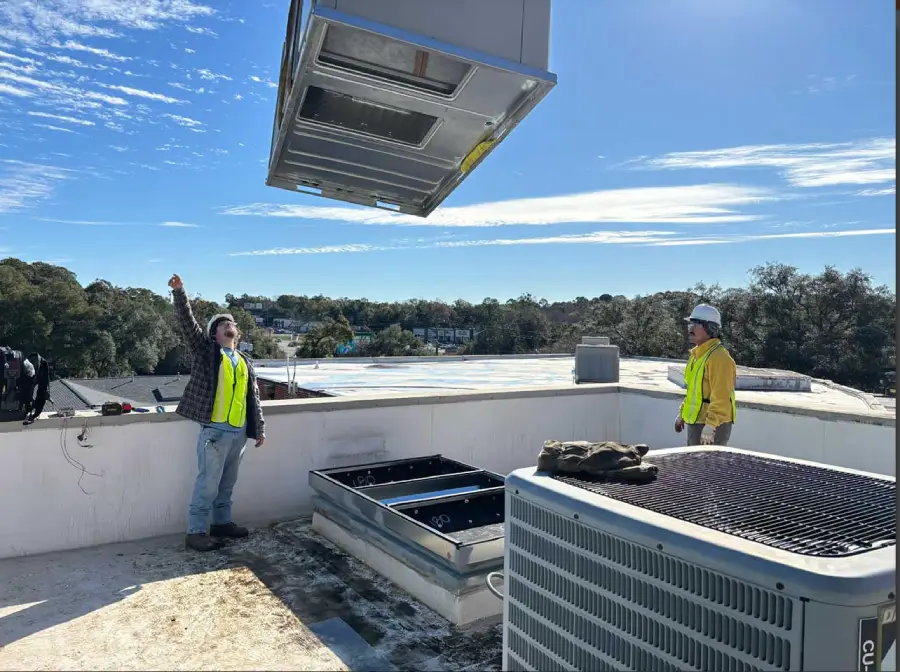
Commercial HVAC is fundamentally different from residential service:
- Size and Complexity: Commercial systems are larger and more intricate, often involving rooftop units (RTUs), multi-zone controls, and extensive ductwork.
- Equipment: Technicians must be familiar with a wider range of equipment, including chillers, cooling towers, and variable air volume (VAV) systems.
- Impact of Downtime: A commercial AC failure can halt operations, damage inventory, and drive away customers, making fast, effective repairs critical.
- Building Codes: Commercial work must adhere to stricter building codes for safety, ventilation, and energy efficiency.
Given these differences, vetting your commercial HVAC contractor is paramount:
- Licensing and Insurance: Always verify the company is fully licensed and insured to protect your business from liability.
- NATE Certification: Look for NATE (North American Technician Excellence) certified technicians. This is the industry’s gold standard for competency. You can find a nationally recognized HVAC contractor in your area through organizations like ACCA.
- Commercial Experience: Ask about their specific experience with commercial systems like yours.
- Reviews and References: Check online reviews and ask for references from other commercial clients.
- 24/7 Availability: Your business needs a partner who offers 24/7 emergency service, as breakdowns don’t follow a 9-to-5 schedule.
How to Ensure Minimal Downtime During an Air Conditioner Commercial Repair
Minimizing downtime is crucial. Here’s how a professional partner helps:
- Scheduled Maintenance: This is your best defense. Regular service can prevent 70-75% of unexpected breakdowns.
- 24/7 Emergency Service: Partnering with a provider like McNorton HVAC ensures a rapid response when you need it most. Learn about our Emergency HVAC Repairs.
- Temporary Cooling: For major repairs, a good provider can offer temporary cooling solutions to keep critical areas operational.
- Staged Repairs: For large facilities, repairs can often be done in stages to minimize disruption to your entire operation.
The Value of Proactive HVAC Maintenance
If there’s one piece of advice I could give every commercial business owner about their HVAC system, it’s this: don’t wait for it to break. Proactive maintenance is an essential business strategy that prevents costly disruptions.
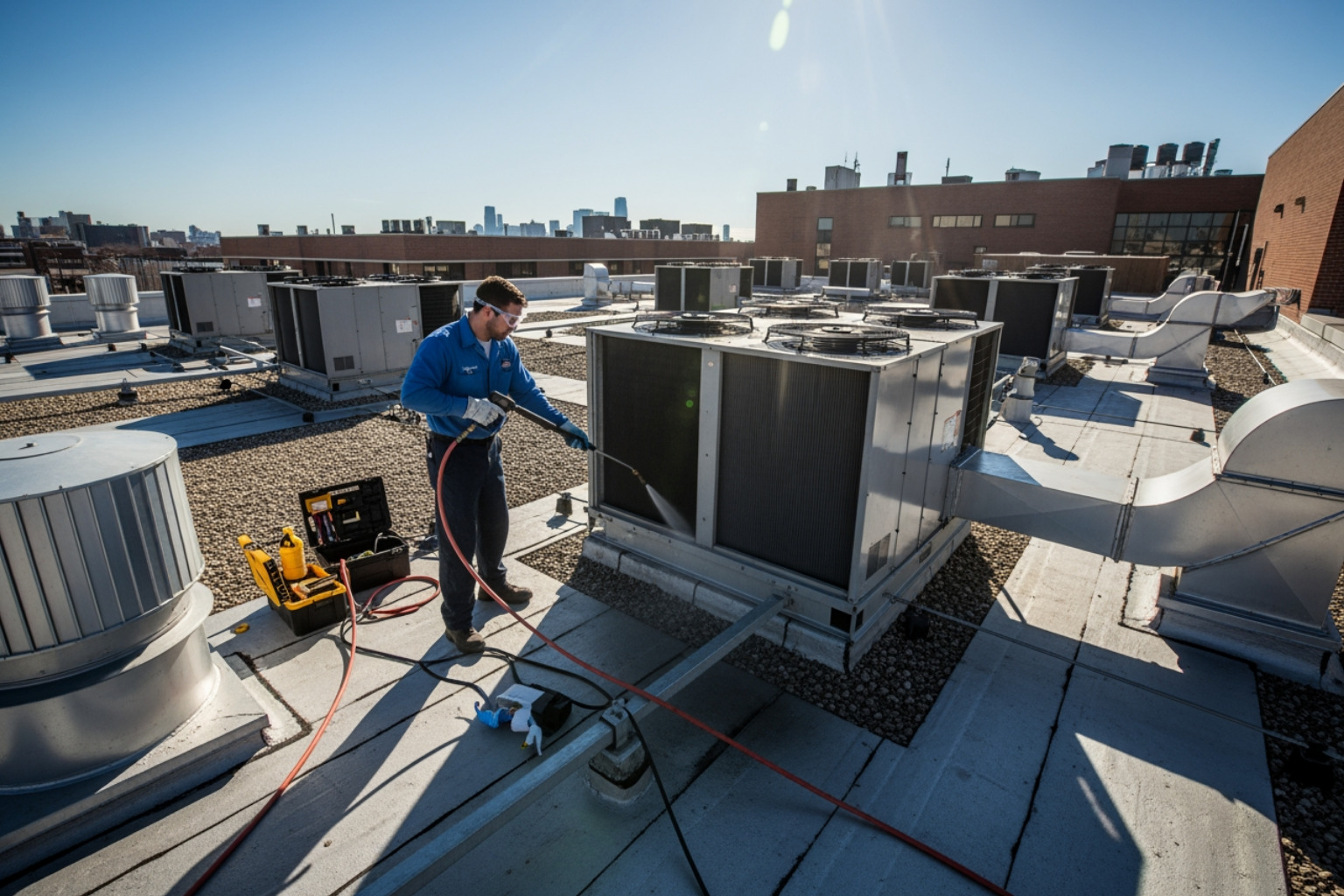
Regular maintenance saves businesses from major headaches. Here’s why it’s so valuable:
- Reduced Breakdowns: According to the Federal Energy Management Program, regular maintenance can reduce unexpected breakdowns by 70-75%.
- Lower Energy Use: A clean, well-maintained system runs more efficiently. Just changing filters can reduce energy use by up to 15%.
- Extended Equipment Lifespan: Regular tune-ups protect your investment by preventing wear and tear, helping your system last longer.
- Improved Indoor Air Quality: Clean filters and coils mean cleaner air for your employees and customers.
- Better Performance: An efficient system provides consistent, reliable cooling, creating a more comfortable and productive environment.
The Federal Energy Management Program’s O\&M best practices guide confirms that planned maintenance saves money and minimizes downtime.
What a Commercial Maintenance Plan Includes
A comprehensive maintenance plan goes far beyond a simple filter change. Our technicians typically perform the following tasks:
- Filter replacement
- Coil and drain pan cleaning
- Electrical connection check and tightening
- Refrigerant level and pressure verification
- Belt and pulley inspection and adjustment
- Condensate drain line clearing
- Thermostat calibration
- Inspection of compressors, motors, and fans
- Lubrication of moving parts
- Full operational system test
Enrolling in a maintenance plan is an investment in your business’s reliability and longevity. We also offer residential plans, which you can see on our AC Repair Home Care Plan page.
Frequently Asked Questions about Commercial AC Repair
Business owners often have similar questions about their commercial AC systems. Here are answers to some of the most common ones:
How often should a commercial AC unit be serviced?
We recommend professional servicing at least twice a year: once in the spring to prepare for cooling season, and again in the fall. For systems under heavy use or in critical environments, quarterly maintenance is even better. This schedule significantly reduces unexpected breakdowns and keeps energy costs down.
What is the average lifespan of a commercial air conditioner?
A commercial air conditioner typically lasts 15 to 20 years. This lifespan depends heavily on the quality of installation, intensity of use, and, most importantly, consistent professional maintenance. A well-maintained unit can often last longer.
Can I perform any commercial AC repairs myself?
For safety and to avoid further damage, we strongly advise against DIY repairs on commercial systems. Beyond basic checks like the thermostat setting and circuit breakers, all work should be left to a professional. Commercial units involve high voltages, complex components, and refrigerants that require EPA certification to handle. Attempting your own air conditioner commercial repair can void warranties and create dangerous conditions. It’s a job for the pros.
Conclusion: Protecting Your Business with the Right HVAC Partner
Your commercial HVAC system is a critical asset that directly impacts your business’s comfort, productivity, and profitability. Understanding the warning signs of failure, knowing when to repair versus replace, and partnering with a reliable service provider are key to your success.
We’ve highlighted the importance of choosing a certified technician and the immense value of proactive maintenance, which can prevent breakdowns, lower energy bills, and extend your system’s life.
At McNorton HVAC, we bring over 65 years of combined experience to every air conditioner commercial repair job. We offer licensed and insured 24/7 service because we know your business can’t afford to wait. We are committed to providing guaranteed comfort and safety, with financing options available.
Don’t let HVAC issues disrupt your operations. Be proactive and choose a partner who understands the unique demands of commercial systems. For all your commercial HVAC needs, we invite you to Contact us for your Commercial HVAC needs today.
Latest Articles
Don’t Sweat It: Why McNorton is Top-Rated Emergency HVAC Services in Pensacola
Shocking Truth: The Real Cost to Replace Your Electrical Panel